Sustainable Food Protection Using Modified Atmosphere Technology
The global food supply chain faces numerous challenges, from spoilage and waste to the need for sustainable practices. As consumers become more aware of their food choices and the environmental impact of food production, innovative solutions are essential. One such solution is Modified Atmosphere Technology (MAT), which offers a promising approach to extending the shelf life of food products while maintaining their quality. This blog post explores how MAT works, its benefits, and its role in promoting sustainable food protection.
Understanding Modified Atmosphere Technology
Modified Atmosphere Technology involves altering the composition of gases surrounding food products to slow down spoilage and extend shelf life. By replacing the natural atmosphere with a mixture of gases, typically nitrogen, carbon dioxide, and oxygen, MAT creates an environment that inhibits the growth of spoilage organisms and reduces oxidation.
How MAT Works
Gas Composition: The typical gas mixture used in MAT includes:
Nitrogen (N2): An inert gas that displaces oxygen and helps prevent oxidation.
Carbon Dioxide (CO2): This gas inhibits microbial growth and helps maintain freshness.
Oxygen (O2): Reduced levels of oxygen slow down the respiration of fruits and vegetables, extending their shelf life.
Packaging: MAT is often implemented through specialized packaging techniques, such as vacuum sealing or gas flushing, where the air inside the package is replaced with the modified gas mixture.
Storage Conditions: The effectiveness of MAT can be enhanced by controlling storage conditions, such as temperature and humidity, which further inhibit spoilage.
Benefits of Modified Atmosphere Technology
The adoption of MAT offers several advantages for food producers, retailers, and consumers alike:
Extended Shelf Life: By slowing down spoilage, MAT can significantly extend the shelf life of perishable products, reducing food waste.
Maintained Quality: MAT helps preserve the flavor, texture, and nutritional value of food, ensuring that consumers receive high-quality products.
Reduced Need for Preservatives: With MAT, there is less reliance on chemical preservatives, aligning with the growing demand for clean-label products.
Sustainability: By minimizing food waste and improving the efficiency of the supply chain, MAT contributes to more sustainable food production practices.
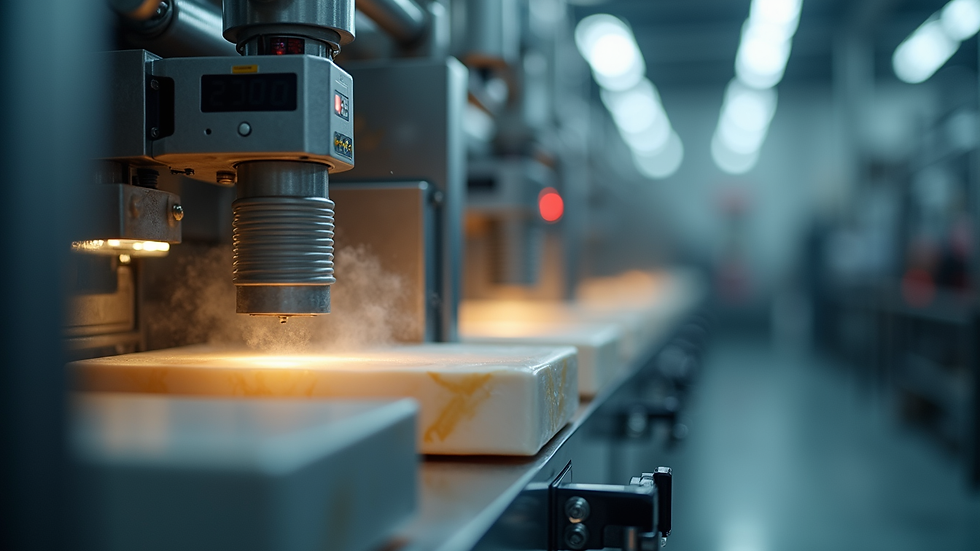
Applications of Modified Atmosphere Technology
MAT is versatile and can be applied across various food sectors.
The Future of Modified Atmosphere Technology
As the demand for sustainable food practices continues to grow, the future of Modified Atmosphere Technology looks promising. Innovations in packaging materials and gas mixtures are expected to enhance the effectiveness of MAT further. Additionally, advancements in technology may lead to more cost-effective solutions, making MAT accessible to a broader range of food producers.
Conclusion
Modified Atmosphere Technology represents a significant advancement in food preservation, offering a sustainable solution to the challenges of food spoilage and waste. By extending shelf life and maintaining quality, MAT not only benefits producers and retailers but also aligns with the growing consumer demand for sustainable practices. As we move forward, embracing technologies like MAT will be crucial in creating a more sustainable food system for future generations.
By understanding and adopting Modified Atmosphere Technology, we can take meaningful steps toward reducing food waste and promoting a healthier planet. Whether you are a producer, retailer, or consumer, consider how MAT can play a role in your food choices and practices.


Comments